The names on a massage menu tell you where a treatment comes from. They do not always tell you what it will actually feel like.
If you are comparing Thai massage, Swedish massage and deep tissue massage, start with one simpler question: what does your body need today?
Choose Thai massage when you feel stiff
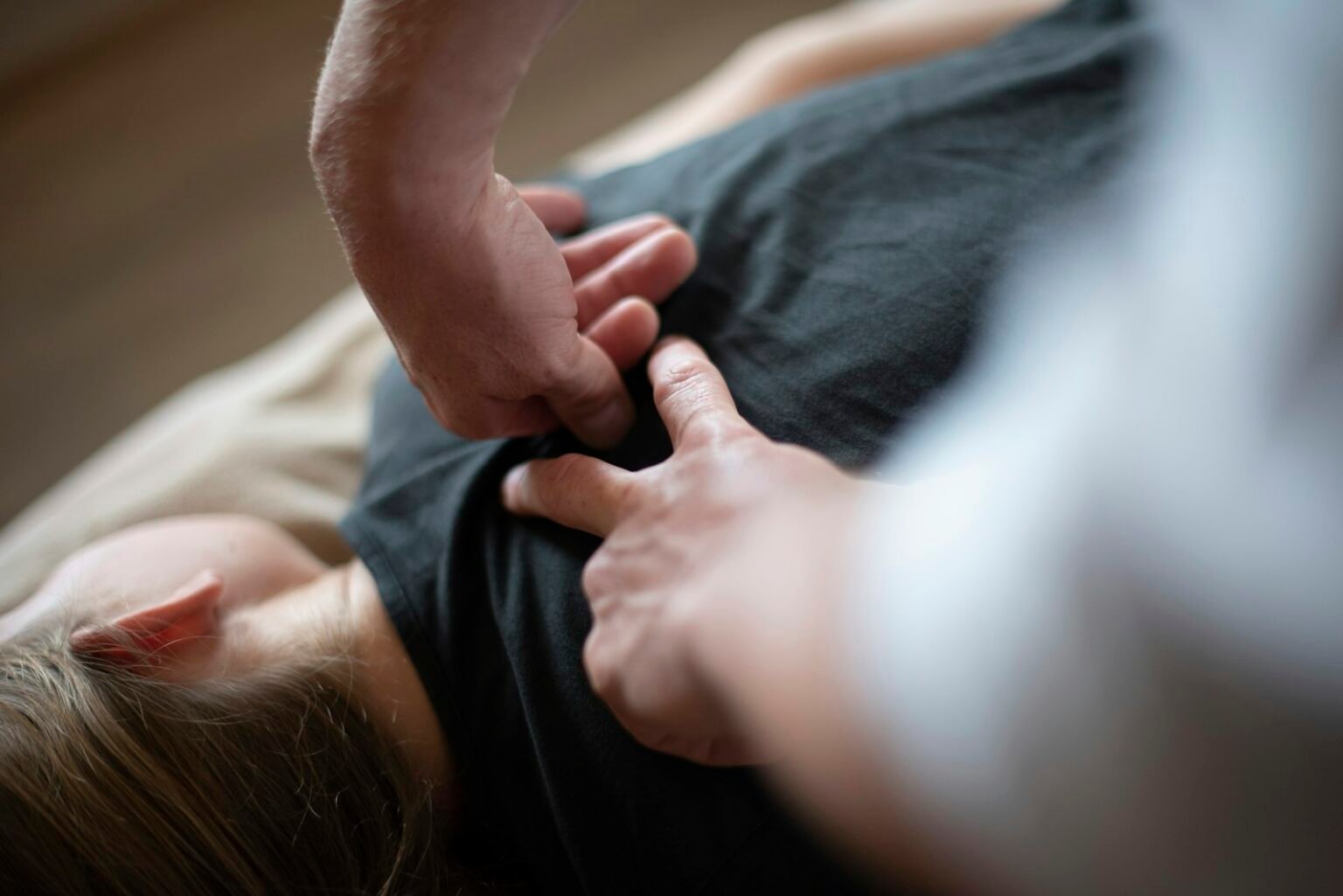
Traditional Thai massage is more active than most oil-based treatments. You remain clothed while the therapist combines rhythmic pressure with assisted stretching and guided movement.
It may be the better choice when you feel restricted through the hips, legs, shoulders or back after long periods of sitting or travelling. At Buddha Spa, guests looking for Thai massage in Jaipur can discuss mobility, comfort and preferred intensity before beginning.
Choose Swedish massage when you want to relax
Swedish massage uses oil, flowing strokes and steady pressure. Compared with deep tissue work, the overall rhythm is generally smoother and less focused on one specific muscular area.
It is an excellent starting point when the honest answer to “what hurts?” is: nothing specifically — I am simply tired. Guests searching for Swedish massage in Jaipur often choose it when relaxation is the main objective.
Choose deep tissue massage when you can point to the tension
Deep tissue massage is slower and more focused. The therapist spends more time working through specific areas of muscular tension rather than trying to cover the entire body with the same pressure.
You may prefer it when your shoulders, back or legs consistently feel tight. A deep tissue massage in Jaipur at Buddha Spa is always adjusted to your comfort. Deeper does not automatically mean better — useful pressure should still allow you to breathe and relax.
Which massage is best?
There is no single answer. Choose according to what you feel:
- Stiffness → Thai
- General fatigue → Swedish
- Specific muscular tension → Deep Tissue
- A desire for aroma and relaxation → Aroma Therapy
- A preference for warmth → Hot Stone
- A desire for a warm-oil ritual → Abhyanga-inspired therapy
And if you still do not know? Do not choose. Describe how you feel and let the therapist help.
Book in Jaipur
Buddha Spa offers personalised massage experiences in Gandhi Nagar, Jaipur. Tell us what your body needs and we will help you choose the most appropriate treatment.